Custom promotional products are one of the few marketing expenses a small business can hold in its hand. That’s their strength and their trap. A well-chosen item gets carried, worn, and used in front of other people for years. A poorly chosen one costs the same and ends up in a drawer by Friday. This guide is for owners and managers placing a first or second order who want the budget to work, covering what to buy, how much, and how to schedule it.
Start with the job the product has to do
Every promotional order should answer one question: what’s this item supposed to accomplish. The answer changes the product entirely.
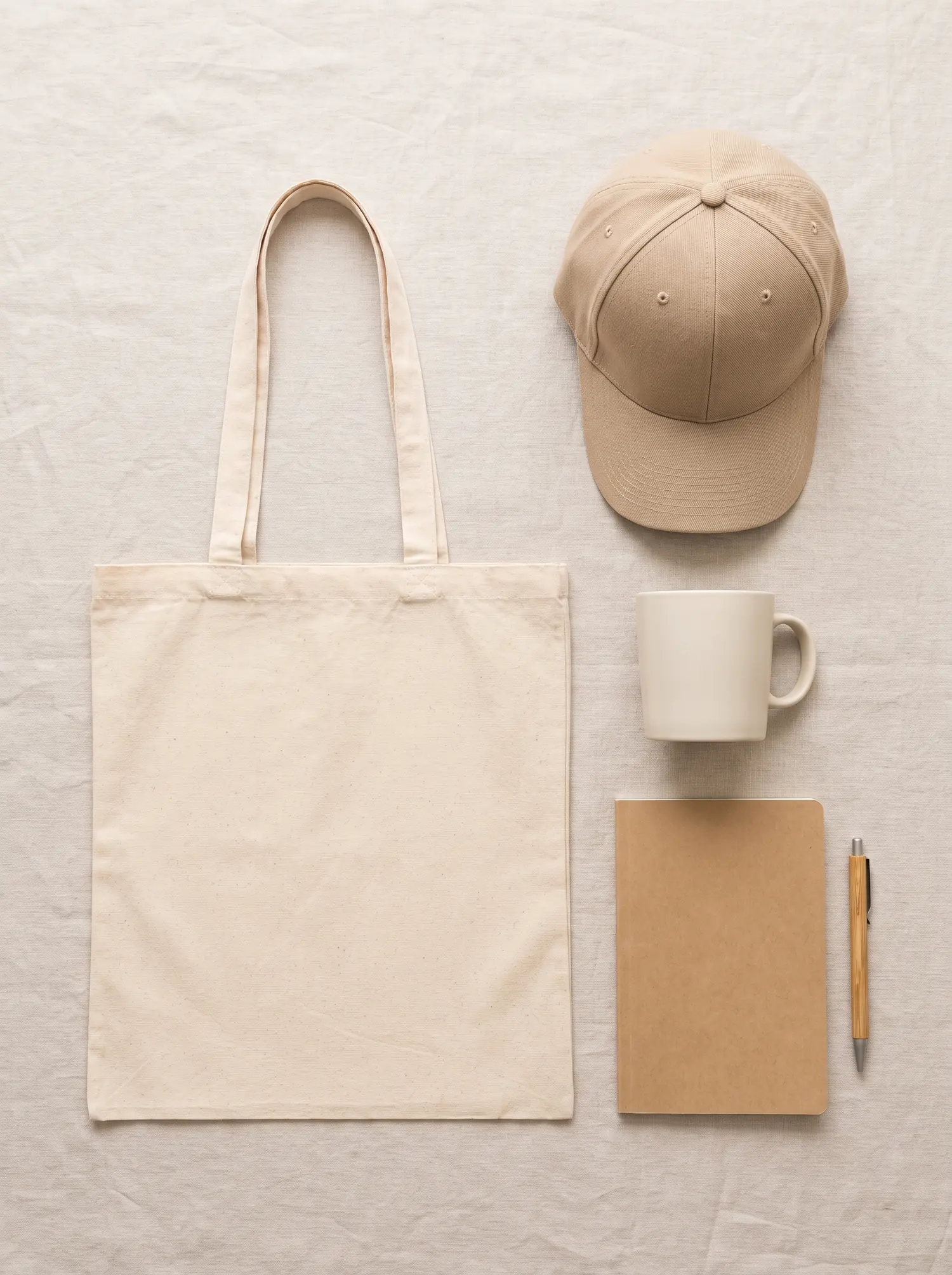
- Trade show and event handouts: Light, useful, easy to carry home. Pens, lightweight totes, and small drinkware.
- Client appreciation: Fewer pieces, higher quality. Insulated tumblers, quality apparel, leather-accented bags.
- Team uniform and identity: Apparel and headwear that staff will wear without being asked.
- Retail and point-of-sale: Branded items customers pay for or receive with purchase, where the item reflects the brand’s own quality.
Deciding the job first prevents the most common mistake, which is buying a large volume of an inexpensive item for a use that called for a small volume of a good one.
Custom promotional products that earn their keep
Drinkware
Drinkware has the longest useful life of any category. A tumbler gets used daily for years, and it’s carried into offices, cars, and gyms where other people see it. The custom tumblers collection covers insulated stainless options at several sizes and price points, and mugs suit desk-bound teams and cafe-style businesses.
Writing instruments
Pens remain the highest-volume promotional item for good reason. They’re cheap per piece, travel anywhere, and change hands constantly. A quality custom pen with a smooth write and a laser-engraved logo gets kept rather than tossed, which is the entire point.
Bags
A canvas tote is a moving billboard that people are glad to carry. Custom tote bags work at events, in retail, and as part of a welcome kit, and heavier canvas with structured handles lasts through years of grocery runs.
Headwear and apparel
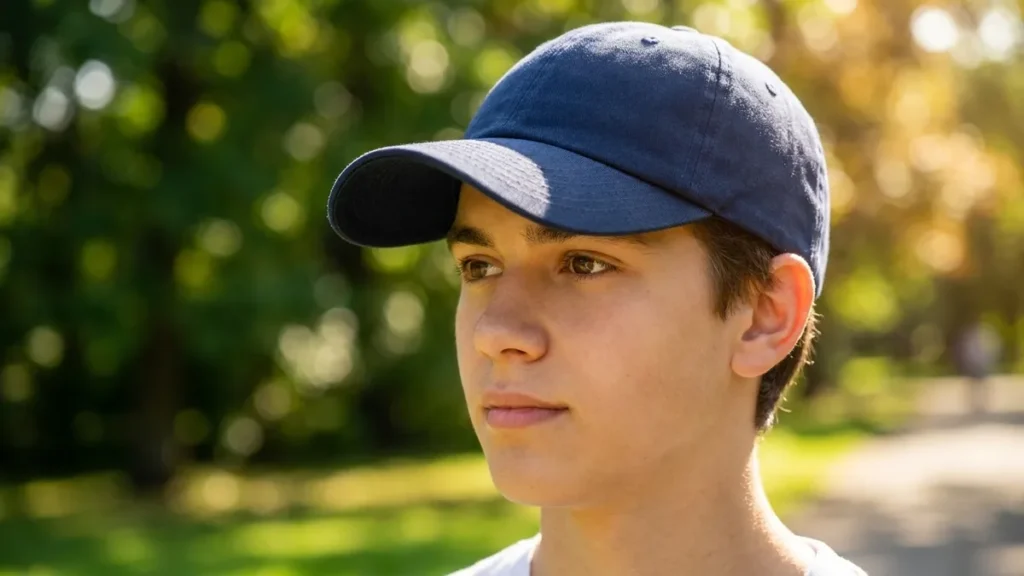
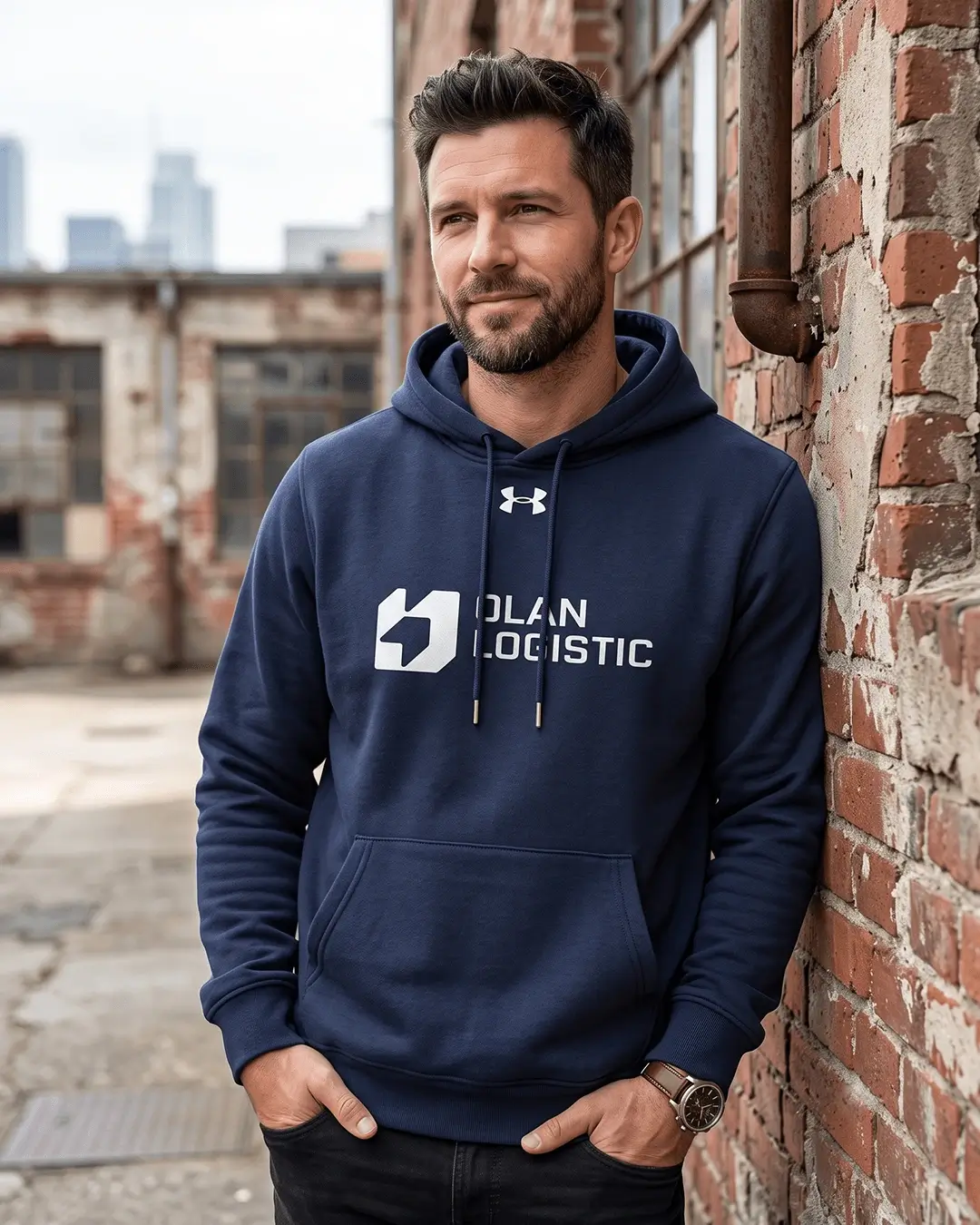
Caps and hoodies are the items that turn customers and staff into ambassadors. An embroidered custom cap is worn in public by choice, and quality custom apparel gives a small team a unified, professional look at a fraction of what a uniform program costs.
Quantity, pricing, and the tier question
Brandevois sells every product in bulk, with per-piece pricing that steps down at set quantity tiers. For a small business, the tiers are the most important number on the page. A run that sits just below a tier often costs nearly as much as a run just above it, so rounding up to the break usually delivers more product for a similar spend, and the extras cover the next event.
A few rules that keep the budget honest:
- Count real recipients first, then add 10 to 15 percent for walk-ups, new hires, and the box that goes missing.
- Spend on one or two items people will use rather than five they’ll discard. Total cost is similar; the outcome isn’t.
- Pricing on our product pages is all-in at each tier. The number you see per piece is what you pay per piece, with no separate charges appearing at checkout.
- Order samples when deciding between two blanks. A sample costs far less than a wrong run.
Artwork and decoration basics
Decoration method depends on the product and the logo. Embroidery suits caps, polos, fleece, and bags. Screen printing suits tees and large graphics. Laser engraving suits metal drinkware and pens. Full-color printing handles detailed or photographic art on flat surfaces.
Send vector artwork (AI, EPS, SVG, or vector PDF) with your brand colors named. A single-color logo often looks cleaner on a promotional item than the full-color version, and it usually costs less. You’ll receive a visual proof before production and nothing moves until you approve it, so there’s room to adjust size and placement.
Timing an order so it arrives when it should
Turnaround depends on the product and its decoration method, and it’s confirmed on your proof before production starts. Counting back from an event, submit artwork a few weeks ahead so a proof revision or two doesn’t put the date at risk. There’s no expedited path, so the calendar is the tool. Businesses that plan the order alongside the event booking never run into trouble.
For seasonal programs, fall orders placed in September and October move easily. The same order placed in December is competing with everyone else’s holiday gifting, and the timeline doesn’t compress to accommodate it.
A first-order checklist
- Name the job the item has to do.
- Pick one or two products that suit that job and the recipient.
- Count recipients and add a 10 to 15 percent buffer, then check the nearest price tier.
- Send vector artwork with colors named.
- Approve the proof at least three weeks before you need delivery.
Browse the full range in the Brandevois shop to compare categories side by side.
What’s the best promotional product for a small business?
The one that matches the job. For events, pens and totes reach the most people. For client relationships, insulated drinkware and quality apparel get kept the longest. For team identity, caps and hoodies get worn by choice.
Do I have to order in bulk?
Yes. Brandevois prices every product for bulk orders, and each product page lists its minimum quantity and tiers. The per-piece price drops as the quantity rises, which is where the value sits for a small business.
How far ahead should I order promotional products?
Plan a few weeks from artwork submission to delivery. Turnaround varies by product and decoration method, there’s no rush option, and earlier is always safer.
When you’ve settled on a job and a rough quantity, send the details through the request a quote form. We’ll return tier pricing, a recommended decoration method for your artwork, and a delivery window built around your date.